

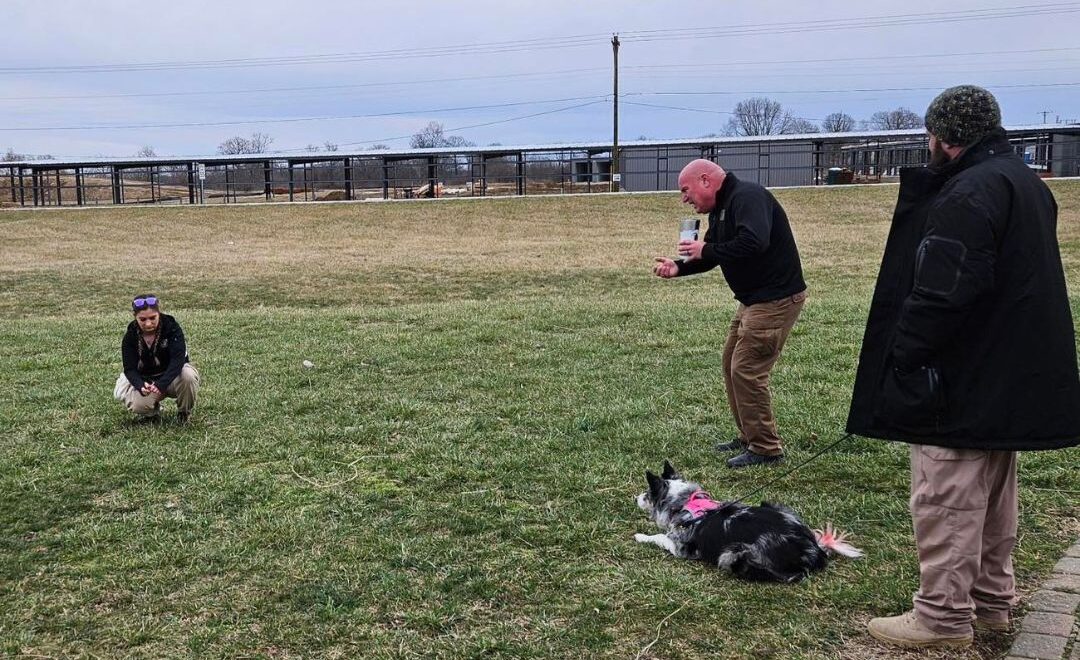
Some dogs develop behavior patterns that do not respond to basic training. An experienced dog behaviorist in Daytona, Ohio, looks beyond the obvious and focuses on what is driving those behaviors day to day. Lasting change starts when the root of the problem is understood, not just managed.
Dealing with constant barking, reactivity, or aggression can make everyday life feel stressful. K9 Solutions Center helps owners regain control with a clear plan that works outside of a training session, not just during one. The focus stays on building habits that hold up in real situations, not quick fixes that fade.
Keep reading to see which behavior problems require more advanced training.
Key Takeaways
- Some behavior issues go deeper than commands and need a reset, not a quick fix.
- Dogs that act out are often stuck in patterns they have learned over time.
- Lasting results come from changing how a dog thinks, not just how it behaves.
When Biting Becomes a Pattern
A single bite can be a warning, but repeated bites point to a deeper issue. Dogs that bite more than once are following a pattern they have learned over time. That pattern often connects to fear, stress, or a need to control what is happening around them.
An experienced behaviorist looks at what happens right before each bite. Small details like body language, space, and timing help reveal the trigger. With that insight, they create a clear plan that reshapes how the dog reacts under pressure, even when the situation feels intense.
Resource Guarding That Escalates Quickly
Tension can rise fast when a dog feels something valuable might be taken away. Growling, snapping, or a stiff posture can appear in seconds. This reaction often stems from insecurity and a strong need to control items that the dog values.
Clear structure and steady exposure help shift how a dog responds in these moments. Consistent rules show the dog that people near their space are not a threat. Our experienced dog behaviorists in Miami, Ohio, build that trust through guided work that changes how the dog sees ownership and interaction.
Separation Anxiety That Leads to Panic
Some dogs fall into a full panic when left alone, and the reaction builds fast. Scratching at doors, nonstop barking, or trying to escape are signs the dog feels unsafe as soon as separation begins.
The Trigger Starts Before the Exit
Simple routines like picking up keys or walking to the door can trigger stress. The dog connects these actions with being left behind, which causes anxiety to spike early. Changing that pattern means breaking the link between those cues and the fear that follows.
Time Feels Different in a Panic State
Minutes can feel much longer for a dog in distress. Instead of settling down, the stress stays high and can grow worse over time. This makes it hard for the dog to calm down without help or structure.
Independence Has to Be Taught Step by Step
Short separations help the dog learn that being alone is safe. Each success builds confidence and reduces the need to panic. A trained professional helps guide this process so the dog develops a stable and calm response over time.
Aggression Toward Other Dogs in Close Spaces
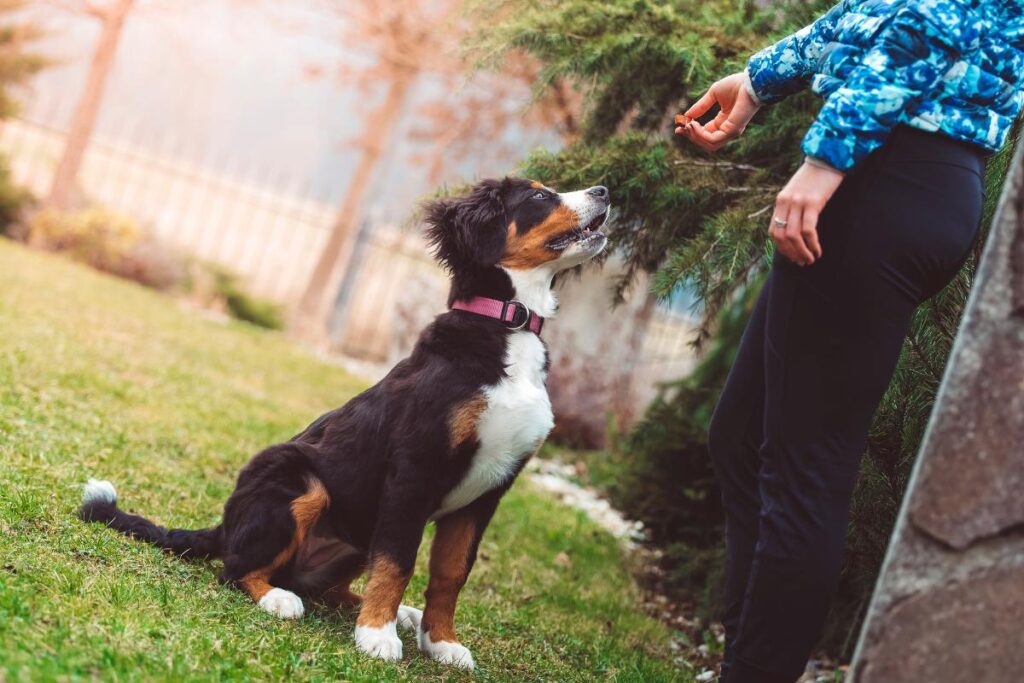
Tight spaces can turn a calm walk into a tense moment fast. Hallways, narrow sidewalks, and entryways leave little room for a dog to move away. That pressure can push a dog to react in a way that feels like the only option.
Clear training helps the dog learn how to handle those close encounters. Controlled setups allow the dog to face the same situation without feeling trapped. Over time, a behaviorist teaches the dog to stay calm and move away rather than react.
Sudden Reactions That Seem to Come Out of Nowhere
A relaxed dog can switch behavior in an instant without clear warning. Reactions, such as snapping or lunging, often feel unpredictable to the owner. These shifts usually come from confusion caused by mixed rules and uneven handling.
Strong daily structure gives the dog a clear sense of what to expect. Steady routines and consistent responses help reduce stress and prevent sudden outbursts. K9 Solutions Center creates that stability so behavior becomes more predictable over time.
Territorial Behavior Inside the Home
A home should feel calm, but some dogs turn it into a space they feel they must protect. Guarding doors, windows, and entry points can make simple moments feel tense. This pattern builds when the dog starts to believe it is responsible for managing what happens inside.
Here is what needs to shift for lasting change:
- Control Over Entry Points: Focus on doors and windows often signals the dog feels in charge of who comes and goes. Clear guidance shows the dog that people handle access, which removes that pressure.
- Reaction to Movement Inside the Home: Quick responses to people walking around show the dog does not understand normal activity. Consistent expectations teach the dog that movement is routine and does not require action.
- Clarity in Leadership: Taking on a guarding role often comes from unclear direction in daily life. Strong structure helps the dog step out of that role and relax.
- Emotional Reset Around Space: Stress builds when the dog feels responsible for the environment. A dog behaviorist in Miami, Ohio, helps shift that mindset so the dog can settle and feel secure.
A steady approach creates a home where the dog can relax instead of trying to stay in control.
It’s Time to Work With Our Experienced Dog Behaviorists in Daytona, Ohio
Behavior problems do not fix themselves, and guessing your way through them often makes things worse. K9 Solutions Center helps turn confusion into clarity with a plan that actually works in real life. The right guidance changes everything for both you and your dog.
Frequently Asked Questions
How do I know if my dog needs more than basic training?
If the same behavior keeps coming back no matter what you try, the issue likely runs deeper than simple commands. A behaviorist looks at patterns and triggers to fix the root, not just the reaction.
Can aggressive dog behavior actually be fixed?
Yes, but it takes structure, timing, and a clear plan built around the dog’s specific triggers. An experienced behaviorist works to change how the dog responds under pressure, not just control it in the moment.
Why does my dog behave well in training but not at home?
Dogs often learn to follow commands in controlled settings but fall apart in real life. A behavior-focused approach builds consistency across environments so the dog listens no matter where you are.
What makes behavior training different from obedience training?
Obedience focuses on teaching commands, while behavior training addresses why the dog acts a certain way. A behaviorist works on mindset, habits, and responses that shape long-term change.
How long does it take to see results with behavior training?
Progress can start quickly once the right approach is in place, but lasting change takes consistency over time. A behaviorist builds a plan that leads to steady improvement rather than short-term fixes.